A technical SEO audit is a detailed and comprehensive evaluation process of a website’s ranking potential. It’s an in-depth examination aimed at identifying technical issues that can affect a site’s visibility and performance in search engine results. From site architecture to code quality, page load speed, mobile accessibility and correct use of meta tags — a technical SEO audit examines every aspect that can impact a site’s ranking.
What is an Algorithmic Audit?
An algorithmic audit refers to the systematic analysis of all factors that are known with certainty to be used by search engine algorithms. This practice is essential in the SEO world — it allows experts to understand how a website is perceived by search engines and, consequently, what improvements can be made to optimize its organic ranking.
Why an Algorithmic Audit Should Be Part of a Technical Audit
A traditional technical SEO audit focuses on essential elements such as title tag architecture, metadata, duplicate content, navigation and overall page experience. However, adding an algorithmic audit to this analysis can significantly enhance results. By relying on algorithms used by Google, it’s possible to get closer to the real (and important) evaluation criteria of the search engine. This is an advanced technical approach that complements the traditional technical SEO audit and offers more precise, in-depth analysis. The algorithmic audit is therefore a key tool for maximizing your site’s SEO performance.
Tools for Technical SEO Audit
Knowing the right SEO audit tools is critical. Among the many options, Screaming Frog SEO Spider stands out for its remarkable effectiveness. However, an SEO auditor’s toolkit doesn’t stop there — other resources like Botify and YourText.Guru are also highly regarded. These platforms offer comprehensive and relevant analyses, making them excellent allies for a quality technical SEO audit.
Overview of Technical SEO Audit Pillars
A technical SEO audit is a rigorous and methodical process designed to analyze a website’s performance against search engine criteria. It’s a complex task requiring a deep understanding of how search engines work. The ultimate goal is to identify weaknesses that can be improved to maximize the site’s visibility in search results.
The Basics
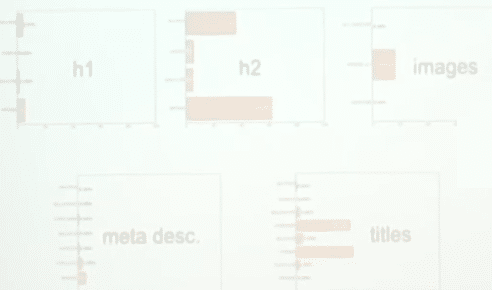
The basics of an SEO audit include verifying the fundamental elements of a page — titles, meta tags, H1 and H2 tags, and alt tags for images. These elements are important for giving search engines a clear understanding of your page content. For this, you can run a Screaming Frog crawl:
Technical / Server & Development Aspects
The technical SEO audit analyzes aspects related to the server and site development — such as page load speed, server response time, HTTPS protocol and mobile optimization. This also includes site health metrics: number of 404s, 301 redirects, etc. Good technical operation is crucial for providing a smooth user experience — which translates into better search engine rankings.
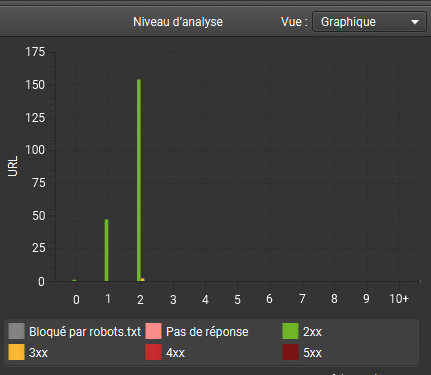
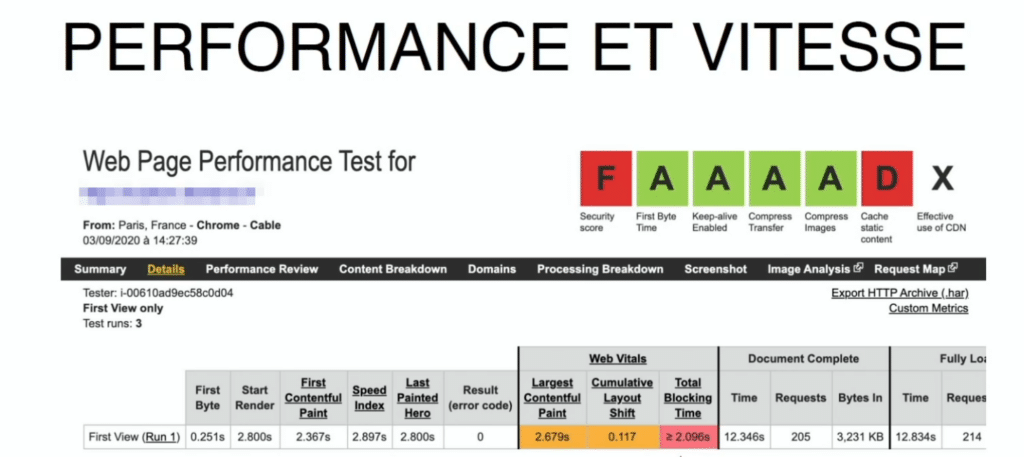
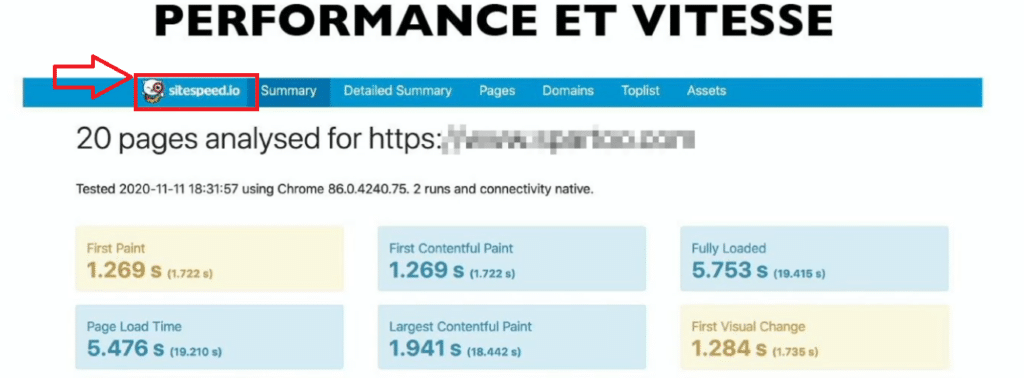
Use sitespeed.io or similar tools to run global speed audits across the entire website.
Internal Linking and Site Structure
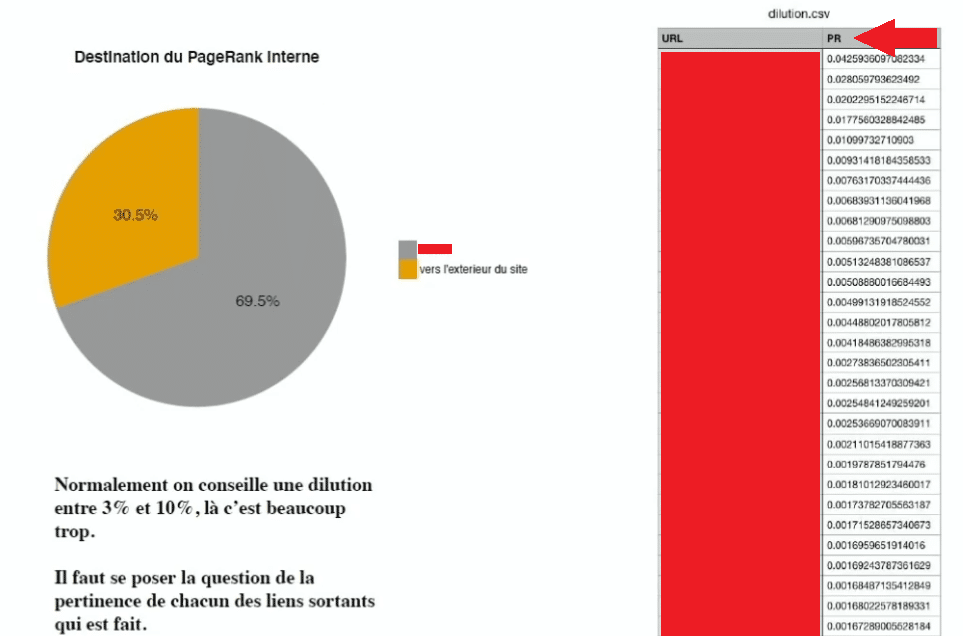
The SEO audit also includes an analysis of internal linking and site structure. Good structure makes navigation easier for users and search engine crawlers alike — improving site rankings. An effective internal linking strategy distributes link juice efficiently across the site.
Semantic Audit
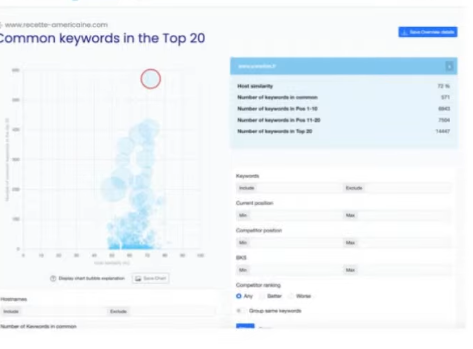
The semantic audit analyzes how the site’s content is understood by search engines. It verifies keyword usage, content relevance for targeted search queries, and how content is structured to satisfy user search intent. At this stage, use the Content Gap feature in an SEO tool like Babbar, SEMrush or Ahrefs to identify your gaps compared to your competitors.
Content Quality Analysis
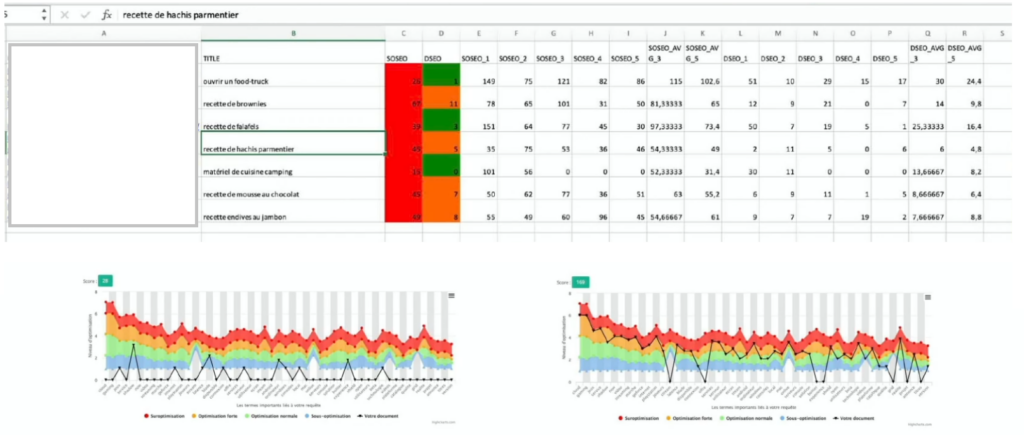
Quality content is an essential element for good SEO rankings. The SEO audit analyzes content quality in terms of originality, added value for the user, readability and relevance to the site’s topic.
External Linking (Backlinks)
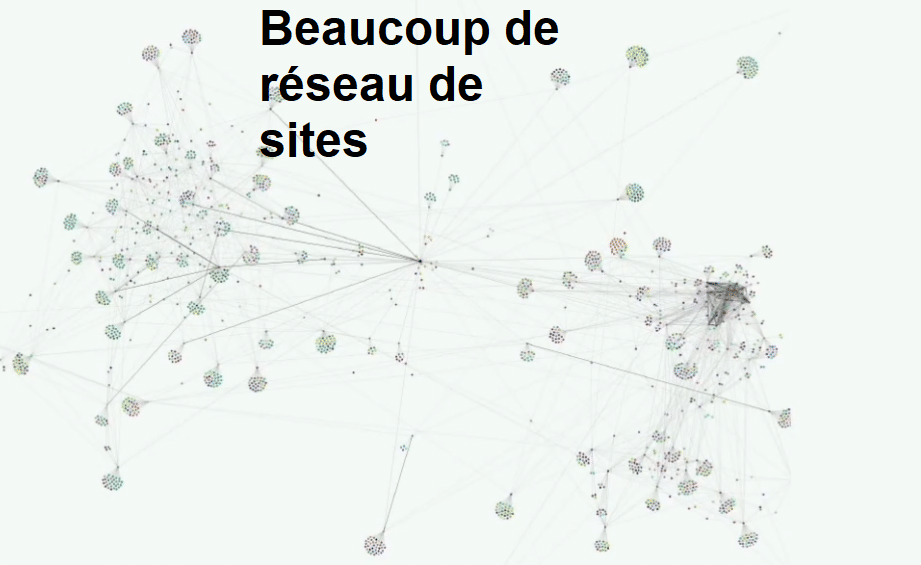
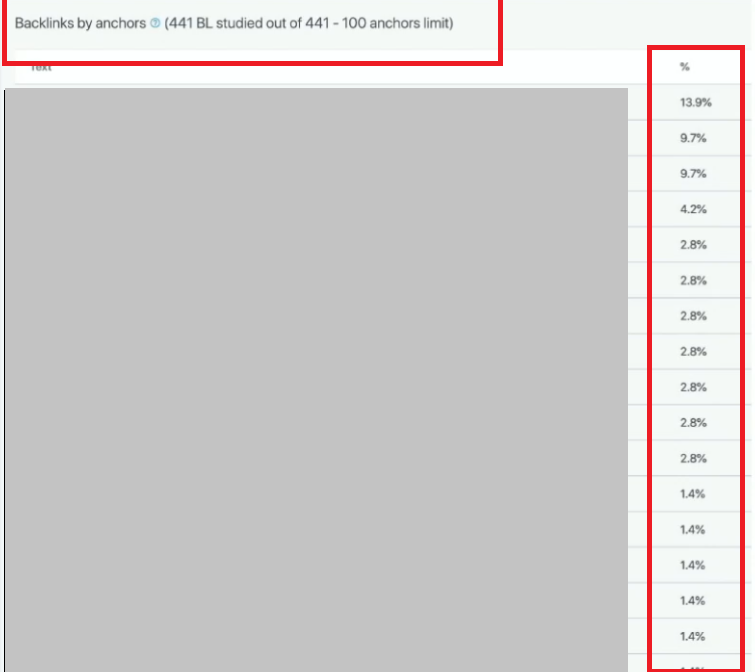
External linking, or backlinks, plays a crucial role in domain authority. An SEO audit examines the quality and quantity of incoming links, identifies toxic links that could harm the site, and proposes strategies for acquiring new quality backlinks.
Visitor Behavior Analysis
Finally, the SEO audit analyzes visitor behavior on the site — bounce rate, time on site, pages per visit, etc. This information helps identify areas to improve for a better user experience and, consequently, better SEO rankings (due to Google’s Learning to Rank algorithm).


SEO Spam Element Analysis
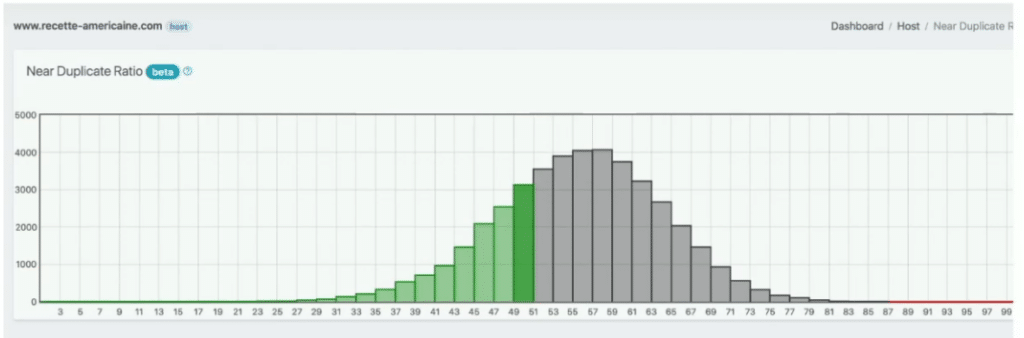
A critical aspect of the SEO audit is checking for various spam elements that could negatively affect your site’s performance. Among these, “near duplicate content” is an important element to monitor. Although it’s not exact copy-paste, content that is too similar can be perceived as spam by search engines. It’s essential to ensure your content is unique and original to avoid any risk of penalization.
Server Log Analysis
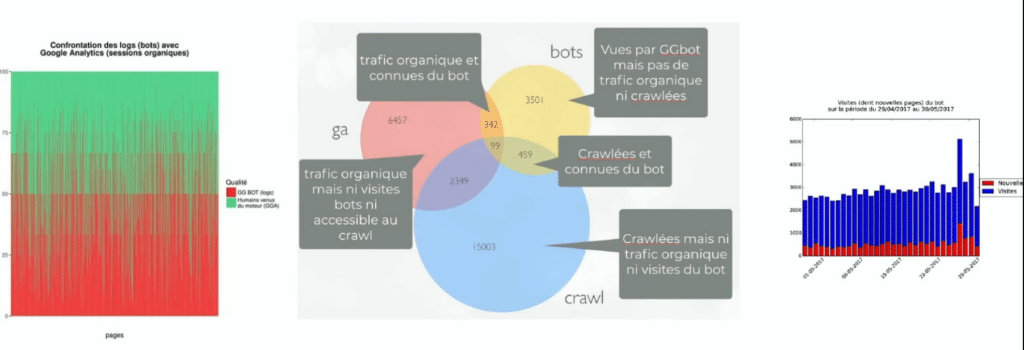
As part of a thorough SEO audit, log analysis is a crucial process. These files record all interactions between users, search engines and your website. By examining them, you can get detailed information about your site’s behavior and identify any technical issues to resolve.
Going Further in the Technical SEO Audit
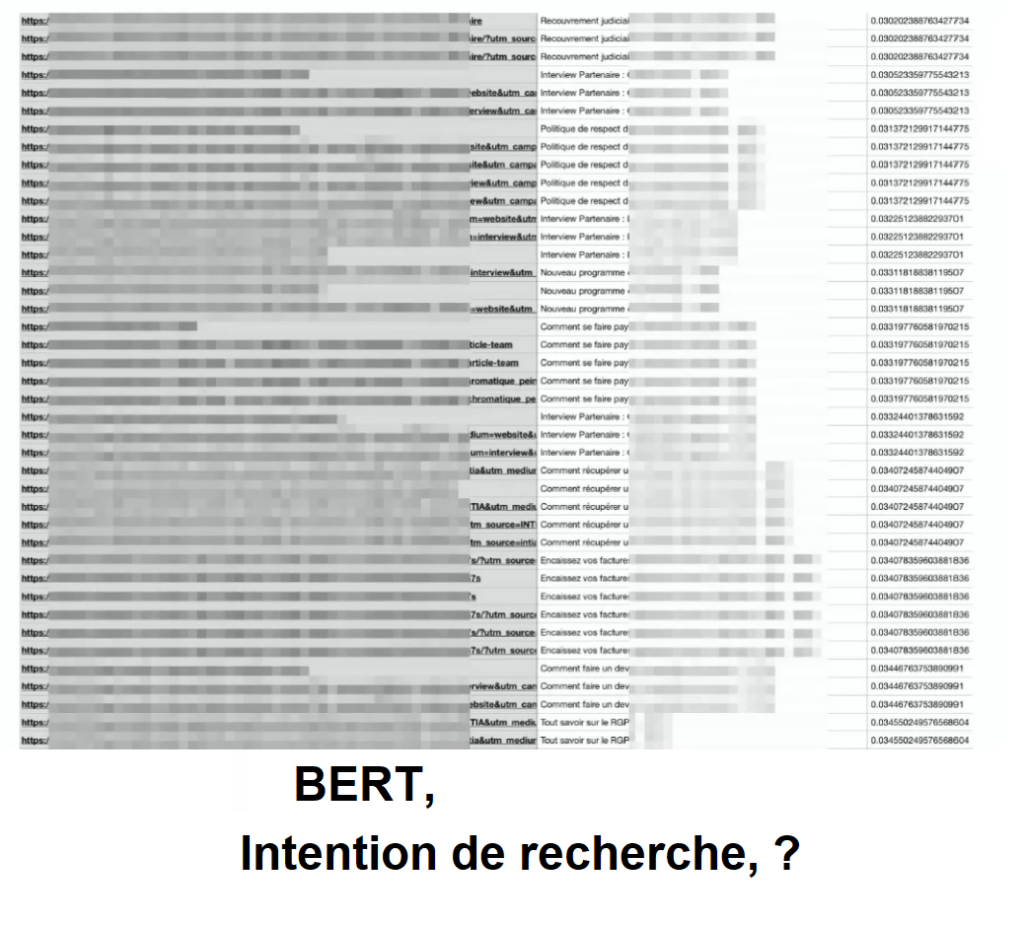
For those looking to go even further in technical SEO auditing, BERT analysis (Bidirectional Encoder Representations from Transformers) is an advanced option. BERT is a machine learning method designed to improve search engines’ understanding of context. Using BERT, you can better understand the search intent behind keywords and optimize your content accordingly.
Please note: Using advanced techniques like BERT analysis requires solid knowledge of both SEO and machine learning. It’s recommended for SEO professionals comfortable with these concepts. BERT is just one example!
Technical SEO Audit Methodology
To carry out an effective technical SEO audit, here is a detailed methodology:
1. Crawl and Data Collection
The process begins with crawling the site — using analysis tools to traverse and collect data on all the website’s pages. This step gathers essential information about site structure, tags, content, links and many other technical elements.
2. Data Analysis
Once the data is collected, the next step is to analyze it. This analysis determines the site’s strengths and weaknesses — identifying technical issues that may affect SEO performance.
3. Site Visualization
A global site visualization helps understand the overall site structure, identify navigation patterns and see how different pages are linked to each other.
4. Analysis Validation
After analyzing the data and visualizing the site, the analysis validation step verifies the accuracy of results and ensures all important technical issues have been addressed.
5. Audit Write-up
The audit write-up highlights only the elements that aren’t working — setting aside what’s performing well. The idea is to prioritize issues based on their importance and impact on SEO performance.
6. Debrief Meeting and Roadmap Creation
Once the audit is written, a debrief meeting is organized to discuss the results and establish a roadmap — detailing the actions to be taken to resolve the issues identified during the audit.
7. Roadmap Implementation Verification
After some time, a verification is performed to ensure that the recommended actions from the roadmap have been implemented. This confirms that issues have been resolved and the site is on track to improve its SEO performance.
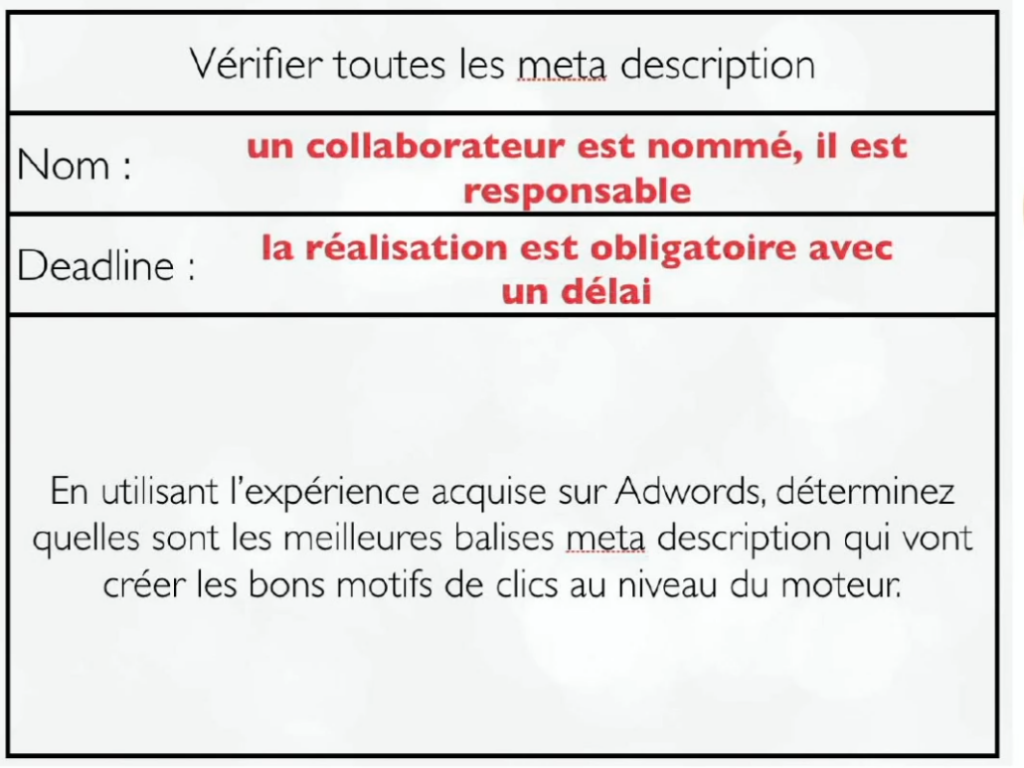
Make sure to “push” stakeholders to take ownership of their respective areas. A well-structured SEO audit report not only lists technical issues — it also provides clear, actionable recommendations, prioritised by effort and impact. This approach ensures that development teams and content editors can address the most critical fixes first, and that the overall SEO roadmap is realistic and measurable.